In This Article
Your skin shouldn’t have to negotiate with your perfume. (For a primer on how Health Canada regulates cosmetic ingredient labelling, the federal site is worth a bookmark before you shop.) If a single spritz leaves you blotchy, itchy, or nursing a headache by lunchtime, you’re not imagining things — and you’re definitely not alone. A growing number of Canadians are turning to alcohol-free floral fragrances precisely because the ethanol base in conventional eau de parfum can strip moisture, irritate compromised skin barriers, and amplify the sting of certain fragrance compounds. So what exactly is an alcohol-free floral fragrance? In short, it’s a perfume built around an oil, water, or glycerin base instead of denatured alcohol, carrying floral notes — think rose, jasmine, gardenia, lilac, or honeysuckle — closer to the skin for a softer, longer-wearing scent. We spent weeks digging through real product specifications, ingredient panels, and aggregated customer feedback to find seven genuinely worthwhile options for 2026, spanning drugstore-friendly roll-ons to small-batch botanical blends. Whether you’re chasing a floral perfume for sensitive skin, hunting for something labelled hypoallergenic floral fragrance, or simply tired of perfume that fades by 10 a.m., this guide breaks down what actually matters and what’s just marketing gloss.
Quick Comparison Table
| Product | Format | Best For | Price Range (CAD) |
|---|---|---|---|
| Blossom Roll On Perfume (3-Pack) | Oil roll-on | Budget shoppers, gifting | C$15–C$20 |
| Kailuna Co. Gardenia Delicious | Oil roll-on, organic jojoba | True alcohol-free purists | C$14–C$19 |
| CA Perfume Flowerbloom | Oil roll-on | Bold floral projection on a budget | C$15–C$20 |
| Pacifica French Lilac Rollerball | Natural-oil rollerball | Everyday wear, vegan shoppers | C$12–C$18 |
| Pacifica Persian Rose Roll-on | Natural-oil rollerball | Rose lovers, layering | C$15–C$20 |
| Skylar Honeysuckle Dream EDP | Eau de parfum spray | Sensitive skin, dermatologist-tested needs | C$60–C$75 |
| shamarwyn Rose Perfume Oil | Organic jojoba botanical oil | Niche, ritual-minded buyers | C$22–C$30 |
Looking at the table, the split between true oil-based formulas and Pacifica’s natural-grain-alcohol rollerballs matters more than it looks at first glance — we’ll unpack that nuance in the product breakdown below. Budget-conscious shoppers land well with Blossom or Kailuna, while anyone prioritizing dermatological testing and a recognizable “clean beauty” pedigree should look toward Skylar despite the higher price tag. If your main concern is total avoidance of any alcohol content whatsoever, Kailuna and shamarwyn are your safest bets based on their published ingredient lists.
💬 Just one click — help others make better buying decisions too! 😊
✨ Don’t Miss These Exclusive Deals!
🔍 Take your search for the perfect alcohol-free floral fragrances to the next level with these carefully selected picks. Click on any highlighted item to check current pricing and availability on amazon.ca. These gentle, skin-friendly scents help you build a signature floral fragrance your nose (and skin) will actually thank you for.
Top 7 Alcohol-Free Floral Fragrances: Expert Analysis
We narrowed this list down from dozens of contenders by prioritizing genuine ingredient transparency, real aggregated review sentiment, and a spread across budget, mid-range, and premium tiers. Every product below ships to Canada through Amazon.ca at the time of research, though availability and exact pricing always shift — check the listing before you commit.
1. Blossom Roll On Perfume Mini Gift Set
Blossom’s claim to fame is steeping actual dried flowers inside each rollerball bottle, and that’s not just a gimmick — it’s a meaningful difference from synthetic-only blends. The set pairs a jojoba-adjacent oil base (avocado, rosehip seed, and evening primrose oils) with essential-oil-driven scent profiles like Honey Jasmine and Rose, and the formula skips alcohol entirely in favour of body-heat activation. What most buyers overlook about roll-on oils like this is that they’re inherently more concentrated per application than sprays, so a “light dab” genuinely is enough — over-application is the most common rookie mistake with this format. Reviewers consistently report that the scent stays close to the skin rather than projecting across a room, which makes it ideal for office environments or scent-sensitive households, though a vocal minority note the throw fades faster than they’d like without reapplication.
Pros: genuinely alcohol-free, gentle ingredient list, travel-friendly TSA size.
Cons: shorter projection than spray formats, and the floral notes lean more “soft and sweet” than “true-to-bloom” according to several reviewers.
At roughly C$15 to C$20 for a three-piece set, it’s one of the lowest-commitment ways to test whether oil-based florals work for your skin before investing in a pricier bottle.
2. Kailuna Co. Gardenia Delicious
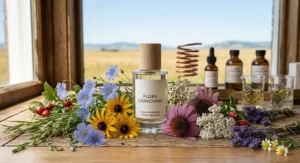
Kailuna’s small-batch California operation built its entire roll-on line around organic cold-pressed jojoba and safflower oils, and the Gardenia Delicious blend (top notes of greens and jasmine, a gardenia-violet-magnolia heart, musk-and-sandalwood base) is one of the more layered floral compositions in this lineup. The specs matter here: jojoba oil is structurally closer to human sebum than most carrier oils, which is part of why reviewers describe the wear as “non-greasy” despite the oil format. Based on the ingredient panel, this is a genuinely alcohol-free perfume oil rather than a formula that merely markets itself that way — a distinction we’ll return to later when comparing brands. Aggregated reviews are largely positive on scent accuracy, though a handful of buyers note that true gardenia is notoriously hard to replicate and this version leans slightly more floral-green than tropical-creamy.
Pros: organic carrier oil, transparent small-batch sourcing, genuinely alcohol-free formula.
Cons: 0.34 fl oz bottles mean frequent reorders for daily wearers, and scent throw is intimate rather than room-filling.
Priced around C$14 to C$19, it offers strong value for anyone specifically hunting alcohol-free perfume without compromise.
3. CA Perfume Flowerbloom
CA Perfume’s Orange County studio produces over a thousand oil-based blends, and Flowerbloom is one of its dedicated florals — tea and bergamot up top, a jasmine-orchid-rose heart, and a vanilla-musk-patchouli base that reviewers describe as “powdery” rather than sharp. The brand markets its oils as highly concentrated and alcohol-free, and the ingredient framing supports that claim more directly than spray-based competitors. Here’s what to weigh: concentrated oil perfumes like this one deliver roughly 8 to 12 hours of wear according to brand-reported testing and corroborating reviewer comments, but that longevity depends heavily on skin type — drier skin tends to “drink” the oil faster, shortening wear time. What most buyers overlook is that CA Perfume’s IFRA-compliant claim refers to international fragrance safety standards, not a guarantee of zero allergic reaction; more on that distinction in our safety section below.
Pros: long wear on average skin types, budget-friendly, vegan and cruelty-free.
Cons: scent intensity can read as strong in close quarters, and as a newer-to-market brand, the volume of verified long-term reviews is still smaller than legacy names.
Expect to pay in the C$15 to C$20 range for a 10ml roll-on.
4. Pacifica Beauty French Lilac Rollerball
Pacifica built its reputation on accessible “clean beauty,” and the French Lilac Rollerball — fresh-cut lilac blossom with magnolia, hyacinth, and heliotrope undertones — is a genuine crowd-pleaser in the floral category. Here’s the honest analytical catch: Pacifica’s published ingredient list for its rollerball line includes “alcohol denat. (natural grain)” alongside parfum and aqua, meaning this is not a strictly alcohol-free formula in the purest sense, even though it’s frequently filtered under “Alcohol Free” badges on Amazon listings. We’re flagging this because it’s exactly the kind of label nuance that catches sensitive-skin shoppers off guard, and a spec sheet won’t volunteer it — you have to read the actual ingredient panel. That said, the natural grain alcohol denat. is used in far smaller proportion than in a traditional spray eau de parfum, and reviewers with mild sensitivities still report better tolerance than with mainstream department-store perfumes.
Pros: phthalate- and paraben-free, vegan and PETA-certified, layerable scent.
Cons: not technically 100% alcohol-free despite marketing language, and the floral profile skews powdery rather than green.
Priced around C$12 to C$18, it remains a strong value pick if trace natural-grain alcohol isn’t a dealbreaker for your skin.
5. Pacifica Beauty Persian Rose Roll-on
The Persian Rose Roll-on blends Bulgarian rose with subtle violet, myrrh, and a touch of fruit, landing somewhere between classic and contemporary in its floral character. Like the French Lilac above, this formula is micro-batched using natural grain corn-based alcohol in small quantities, so the same honesty caveat applies — it’s a gentler, naturally derived alcohol rather than a fully alcohol-free system. What stands out analytically is the rose sourcing story: Bulgarian rose has centuries of perfumery pedigree behind it, and reviewers frequently single this scent out as smelling “less synthetic” than typical mass-market rose perfumes, which tracks with the use of actual essential oil fractions rather than purely synthetic rose accords. A common theme in aggregated feedback is that the rollerball format makes reapplication mid-day painless compared to carrying a full spray bottle.
Pros: recognizable, well-sourced rose character; vegan and cruelty-free; travel-friendly format.
Cons: contains trace natural alcohol despite “clean” branding, and rose-forward scents aren’t universally loved — if you find traditional rose perfume cloying, this won’t convert you.
Price typically falls between C$15 and C$20.
6. Skylar Honeysuckle Dream Eau de Parfum
Skylar has built its entire brand identity around being hypoallergenic and dermatologist-tested, developing its ingredient policy with a toxicologist to exclude parabens, phthalates, sulfates, and synthetic dyes. Honeysuckle Dream leads with bergamot and pear leaves, moves into a honeysuckle-lily-orange flower water heart, and settles into cashmere wood and sheer amber. Based on the spec comparison with the rest of this list, Skylar sits in a different category — it’s a true 50mL eau de parfum spray rather than an oil roll-on, which means broader scent projection and a more traditional “fine fragrance” wear experience. Here’s the catch worth knowing before you buy: Skylar’s own published ingredient panels for several SKUs list “Organic Sugar Cane Alcohol Denat.” as a primary carrier, meaning this is a hypoallergenic floral fragrance formula rather than a strictly alcohol-free one — Amazon’s filter labelling and the actual formulation don’t always match perfectly, and this is a great example of why checking the panel matters more than trusting a category tag. Aggregated reviewer sentiment is strongly positive on tolerability for sensitive skin, even among people who report reacting to mainstream designer perfumes.
Pros: dermatologist-tested formulation, strong brand transparency about its toxicologist-developed standards, layerable scent family.
Cons: meaningfully pricier than the oil-based options here, and it does contain a sugar-cane-derived alcohol despite the hypoallergenic positioning.
Expect C$60 to C$75 for the full 50mL bottle.
7. shamarwyn Rose Perfume Oil
This New Mexico small-batch label takes a ritual-minded approach: organic jojoba oil as the entire base, infused with pure rose essential oil blend (Rosa damascena) and nothing else synthetic in the mix. It’s about as close to a single-note botanical perfume as this list gets, and the brand explicitly markets it as alcohol-free with no synthetic fragrance, parabens, phthalates, or mineral oils. The spec sheet here actually undersells the experience — a pure essential oil blend in jojoba doesn’t perform like a fine fragrance with top-middle-base architecture; instead it offers a warmer, more diffuse, skin-hugging rose scent that evolves subtly with body chemistry rather than dramatically over hours. Reviewers describe it as intimate and grounding rather than a statement scent, which tracks with the brand’s stated “ritual and anointing” framing.
Pros: genuinely alcohol-free, minimal-ingredient transparency, handmade small-batch sourcing.
Cons: limited scent throw means it’s a poor choice if you want to be noticed across a room, and essential-oil-only formulas can vary slightly batch to batch.
Priced around C$22 to C$30 for a 10ml bottle, it’s a premium-feeling niche pick relative to its size.
Practical Usage Guide: Getting the Most From Your Alcohol-Free Floral Fragrance
Oil-based and water-based florals behave differently on skin than alcohol sprays, and most of the disappointment people report comes down to applying old habits to a new format. First, apply to clean, slightly damp skin right after a shower — alcohol-free formulas don’t have the rapid-evaporation “snap” that helps spray perfumes bond quickly, so a moisturized canvas helps the oil settle in rather than sit on the surface. Second, target true pulse points: inner wrists, the side of the neck, and behind the ears generate consistent warmth that activates oil-based scent compounds throughout the day, whereas spraying broadly (a habit borrowed from alcohol perfumes) wastes product on oil-based formats. Third, resist the urge to rub your wrists together after application; friction breaks down the top notes of the scent and can make florals smell muddier than intended. In the first 30 days with a new alcohol-free fragrance, expect the dry-down to feel different daily as your skin’s natural oils interact with the formula — this is normal and not a sign of a bad batch. For maintenance, store oil-based perfumes away from direct sunlight and heat, since natural carrier oils like jojoba can oxidize faster than synthetic alcohol bases when exposed to temperature swings, slightly altering scent character over many months.
Real-World Scenarios: Who Should Wear What
Picture a university student commuting on transit with eczema-prone skin and a tight budget — she’s the ideal candidate for the Blossom Roll-On or Kailuna Gardenia Delicious, since both stay under C$20, skip alcohol entirely, and the small bottle size suits a backpack without weighing it down. Now consider a corporate professional in an open-concept office where strong scent complaints have happened before; the Pacifica rollerballs or shamarwyn Rose Oil make sense here because their intimate, close-to-skin projection won’t trigger a colleague’s sensitivity from three desks away, even though the Pacifica formulas carry a small amount of natural-grain alcohol. Finally, picture someone with a documented fragrance allergy history who’s specifically been advised by a dermatologist to seek hypoallergenic formulations — Skylar Honeysuckle Dream is the strongest fit despite the higher price, precisely because of its toxicologist-developed ingredient policy and the volume of positive sensitive-skin feedback, even though it isn’t strictly alcohol-free. Matching the product to the actual constraint — budget, environment, or medical sensitivity — matters more than chasing the single “best” bottle on this list.
How to Choose an Alcohol-Free Floral Fragrance
- Check the actual ingredient panel, not the marketing badge. As we found repeatedly in this research, “alcohol-free” filters on Amazon don’t always match what’s printed on the bottle — confirm there’s no “alcohol denat.” listed if total avoidance is your goal.
- Match the format to your lifestyle. Oil roll-ons suit purses and pockets; spray EDPs suit vanity routines and broader projection.
- Patch-test before committing to a full bottle. Apply a small amount to your inner forearm and wait 24 to 48 hours, especially if you have a known sensitivity.
- Consider carrier oil compatibility. Jojoba tends to suit most skin types, but if you have a nut or seed oil allergy, scan for almond, apricot kernel, or similar carriers.
- Weigh longevity against your reapplication tolerance. Oils generally need touch-ups every few hours; sprays last longer per application but cost more per bottle.
- Look for dermatologist-tested or toxicologist-developed claims from brands that explain their process, not just slap the word “hypoallergenic” on packaging.
- Factor in scent family layering potential if you like building a signature scent rather than relying on one bottle alone.
Floral Perfume for Sensitive Skin: What Actually Matters
If you’ve ever broken out in hives after a spritz of department-store perfume, you already know that “natural” and “safe” aren’t automatically the same thing. A floral perfume for sensitive skin needs to satisfy two separate conditions: a gentle carrier (oil, water, or low-irritant base) and a fragrance compound profile free of your specific trigger allergens — and those triggers vary wildly from person to person. According to Health Canada, certain fragrance allergens can cause allergic reactions including redness or rashes when they contact skin, which is precisely why ingredient transparency matters more than buzzwords — a point echoed by Canadians who’ve lived with diagnosed fragrance allergies and pushed for clearer labelling for years. Reviewers across nearly every product in our lineup mention some version of “doesn’t make me sneeze” or “no headache,” which is meaningful aggregated sentiment, but it’s not a guarantee — what doesn’t trigger one person’s sensitivity can absolutely trigger another’s. If you’re specifically chasing a sensitive skin perfume floral option, prioritize brands like Kailuna or shamarwyn that publish short, recognizable ingredient lists over those relying on an opaque “parfum” catch-all, since shorter lists make it easier to identify a culprit if a reaction does occur.
Natural Floral Perfumes Organic: What “Organic” Actually Means on a Label
The term gets used loosely, so let’s be precise. When a brand claims natural floral perfumes organic status, it typically means the carrier oil — most often jojoba — is certified organic, not that the entire fragrance compound (including the scent molecules themselves) is organic-certified, since natural and synthetic aroma chemicals are regulated and labelled separately from carrier ingredients. Kailuna Co.’s line, for instance, specifies organic cold-pressed jojoba and safflower oils as the base while the fragrance and essential oil blends layered on top follow separate sourcing standards. This distinction matters practically: an “organic” claim tells you something true and useful about the carrier’s purity and processing, but it doesn’t, by itself, tell you whether the floral notes are essential-oil-derived or synthetic aroma chemicals — both of which can be perfectly safe, but which behave and smell differently. shamarwyn’s rose oil goes a step further by using only essential oil rose blend with zero synthetic fragrance additives, which is the closest thing to a fully botanical, organic-leaning floral on this list, though it sacrifices the complexity and longevity that synthetic fixatives typically provide.
Hypoallergenic Floral Fragrance: Common Mistakes When Buying
The single biggest mistake shoppers make is assuming “hypoallergenic” is a regulated, tested guarantee — it isn’t. As Health Canada explicitly states, “hypoallergenic” is not a legal or scientific term; it simply means the manufacturer has chosen ingredients with a lower likelihood of causing allergic reactions, not that the product is guaranteed allergy-free. A second common error is buying a hypoallergenic floral fragrance based on category filtering alone (like Amazon’s “Hypoallergenic” tag) without reading the actual allergen disclosures now appearing on Canadian labels. A third mistake is skipping the patch test entirely because a product is marketed as gentle — even oil-based, “clean” formulations can trigger reactions in people sensitive to specific botanical compounds like linalool or limonene, both naturally present in many essential oils. Finally, many buyers assume a higher price automatically means better tolerability; our research found genuinely well-formulated, low-irritant options at every price point on this list, from the C$15 Kailuna roll-on to the C$70 Skylar spray.
Alcohol-Free Perfume vs Traditional Eau de Parfum
| Factor | Alcohol-Free Perfume (Oil-Based) | Traditional Eau de Parfum |
|---|---|---|
| Skin irritation risk | Generally lower, especially for dry or eczema-prone skin | Higher, due to ethanol’s drying and potentially irritating effect |
| Scent projection | Intimate, close to skin | Broader, fills more space |
| Average longevity | 4–8 hours, reapplication-friendly | 6–10+ hours per application |
| Price per millilitre | Often lower for budget oils, higher for niche botanicals | Mid to high, scales with brand prestige |
| Best for | Sensitive skin, scent-restricted environments | Statement scents, evening wear, longer single-application wear |
The trade-off here isn’t really about which format is objectively “better” — it’s about matching the chemistry to your skin and your environment. Health Canada notes that fragrance ingredients can be listed under the umbrella term “parfum” without full disclosure, since requiring the complete fragrance composition on labels would make ingredient lists impractically long, which means both formats require a bit of label-reading diligence regardless of base. If you’re someone who reacts specifically to ethanol drying out your skin rather than to the fragrance compounds themselves, switching to an oil-based alcohol-free perfume often resolves the irritation entirely without needing to change scent families at all.
What to Expect: Real-World Performance
Specs on a bottle rarely translate directly into lived experience, so let’s bridge that gap. The Cosmetic Regulations in Canada permit brands to use “parfum” as a catch-all term for fragrance mixtures rather than disclosing the full composition, meaning two bottles both labelled “eau de parfum” can have meaningfully different concentrations of actual fragrance oil — typically anywhere from 10 to 20 percent in true eau de parfum-strength fragrance concentrations, compared with 15 to 30 percent or more in oil-based perfumes where there’s no alcohol diluting the mix. Practically, this is why a 10ml CA Perfume or Kailuna oil roll-on can smell just as potent, hour for hour, as a much larger spray bottle: you’re applying a more concentrated product per drop. What the spec sheet won’t tell you, but reviewers consistently note, is that body chemistry plays an outsized role with oil-based florals specifically — the same gardenia or rose blend can smell noticeably sweeter on one person’s skin and greener on another’s, because skin pH and natural oil production interact with botanical compounds more directly than with alcohol-diluted sprays. Expect a “settling in” period of roughly 15 to 30 minutes after application before the true dry-down character emerges, regardless of which format you choose.
Safety, Regulations & Labelling in Canada
Canada’s cosmetic labelling landscape is shifting meaningfully in 2026, and it’s directly relevant to anyone buying fragrance for sensitivity reasons. Starting April 12, 2026, all cosmetic products sold in Canada must disclose 24 specific fragrance allergens directly on labels when present above 0.01 percent in rinse-off products or 0.001 percent in leave-on products like perfume, rather than allowing them to be grouped under the generic term “fragrance”. This expands to 81 total allergens for newly introduced products starting August 1, 2026. This regulatory shift directly addresses a problem Canadians with fragrance sensitivities have raised for years. Alisha Minielly, a Canadian who developed fragrance allergies that caused persistent rashes, has spoken publicly about how a lack of ingredient transparency on cosmetic labels left her without the information needed to identify and avoid her specific triggers. Practically, this means that by the time you’re reading this, newer floral fragrance bottles on Canadian shelves should start listing specific allergen names like linalool, citronellol, or limonene directly in the ingredient panel — information that’s genuinely useful if you’ve previously had a reaction and want to identify the exact culprit. Allergic contact dermatitis from fragrance compounds is a well-documented dermatological phenomenon, and reading these emerging ingredient disclosures is now one of the most practical tools available to Canadian consumers managing known sensitivities.
Long-Term Cost & Value Analysis
| Product | Bottle Size | Approx. Cost per mL (CAD) | Reapplications per Day (avg.) |
|---|---|---|---|
| Kailuna Gardenia Delicious | 10ml | C$1.40–C$1.90 | 2–3 |
| Pacifica French Lilac Rollerball | 10ml | C$1.20–C$1.80 | 2–3 |
| Skylar Honeysuckle Dream | 50ml | C$1.20–C$1.50 | 1 |
| shamarwyn Rose Oil | 10ml | C$2.20–C$3.00 | 1–2 |
Interpreting this table requires looking past sticker price alone: Skylar’s higher upfront cost actually nets a competitive per-millilitre rate once you factor in the full 50ml format and once-daily application, while the smaller oil roll-ons need more frequent reapplication that quietly adds up in product consumption over a year of daily wear. shamarwyn’s premium per-millilitre cost reflects its single-ingredient essential oil sourcing rather than poor value, since small-batch botanical extraction is inherently more expensive than synthesized aroma chemicals. For anyone wearing fragrance daily, the real total cost of ownership question isn’t “which bottle is cheapest” but “which format matches my actual reapplication habits” — a C$70 spray you apply once can outlast several C$15 oils you’re reapplying three times a day.
✨ Don’t Miss These Exclusive Deals!
🌸 Ready to find your signature scent? Compare current prices on these alcohol-free floral fragrances and see which formula fits your skin and your budget best.
Features That Actually Matter (And Those That Don’t)
What actually matters: a short, legible ingredient list; a carrier oil or base you’ve personally tolerated before; and real aggregated review consistency around skin tolerance rather than just scent description. What doesn’t matter nearly as much as marketing suggests: elaborate bottle packaging, celebrity-adjacent branding, or claims like “luxury” and “exclusive” that say nothing about formulation. One feature genuinely worth paying attention to is whether a brand publishes its full ingredient list publicly before purchase (Kailuna, shamarwyn, and Skylar all do this clearly) versus brands that only reveal ingredients after you’ve already bought the bottle. Another underrated factor is bottle size relative to your actual usage pattern — a gorgeous 50ml bottle is a poor value if you only wear perfume occasionally and it oxidizes on your shelf before you finish it.
Buyer’s Decision Framework
If your top priority is total avoidance of alcohol with zero compromise, choose a genuinely alcohol-free oil like Kailuna or shamarwyn, because their published ingredient panels confirm no alcohol denat. of any kind. If your top priority is documented dermatological tolerability and you’re willing to accept trace natural alcohol, choose Skylar, because its toxicologist-developed formulation has the strongest aggregated sensitive-skin feedback on this list. If your top priority is budget above all else, choose Blossom or CA Perfume, because both deliver genuine alcohol-free oil formulas under C$20. If your top priority is recognizable, well-sourced rose or lilac character with vegan certification and you can tolerate trace natural-grain alcohol, choose one of the Pacifica rollerballs. Use this simple priority checklist before you buy:
✅ ingredient transparency,
✅ format fit for your lifestyle,
✅ patch-test plan,
✅ budget ceiling,
✅ scent family preference — in that order.
Frequently Asked Questions
❓ Is alcohol-free perfume better for sensitive skin?
❓ How long does alcohol-free floral perfume actually last on skin?
❓ Is alcohol-free perfume safe to wear during pregnancy?
❓ Does 'hypoallergenic' on a Canadian perfume label guarantee no reaction?
❓ Can alcohol-free perfume oils stain clothing?
Conclusion
Alcohol-free floral fragrances aren’t a single category with one winning formula — they’re a spectrum running from fully botanical jojoba blends to “clean beauty” sprays that still carry a trace of natural-grain alcohol, and the right pick genuinely depends on what your skin and your budget can tolerate. Across this research, the clearest theme was that ingredient transparency beats marketing language every time: brands like Kailuna and shamarwyn earn trust by publishing short, legible ingredient lists, while even well-loved names like Pacifica and Skylar deserve a closer label read before you assume “alcohol-free” means zero alcohol whatsoever. With Canada’s new fragrance allergen disclosure rules rolling out through 2026, shoppers are about to have more label information than ever before — which makes this the right moment to start reading ingredient panels as carefully as you read price tags. Whichever bottle you choose from this list, patch-test first, apply to pulse points rather than fabric, and give the scent fifteen minutes to settle before judging the final character.
✨ Don’t Miss These Exclusive Deals!
🌷 Found your favourite from this list? Check current pricing on amazon.ca and bring home an alcohol-free floral fragrance that actually loves your skin back.
Recommended for You
- 7 Best Floral Perfume Gift Sets in Canada (2026 Guide)
- 7 Luxury Floral Perfumes Worth the Price in Canada (2026)
- Best Floral Perfumes in Canada 2026: 7 Top Picks Women Will Love
Disclaimer: This article contains affiliate links. As an Amazon Associate, I earn from qualifying purchases. If you purchase products through these links, we may earn a small commission at no additional cost to you.
✨ Found this helpful? Share it with your friends! 💬🤗
